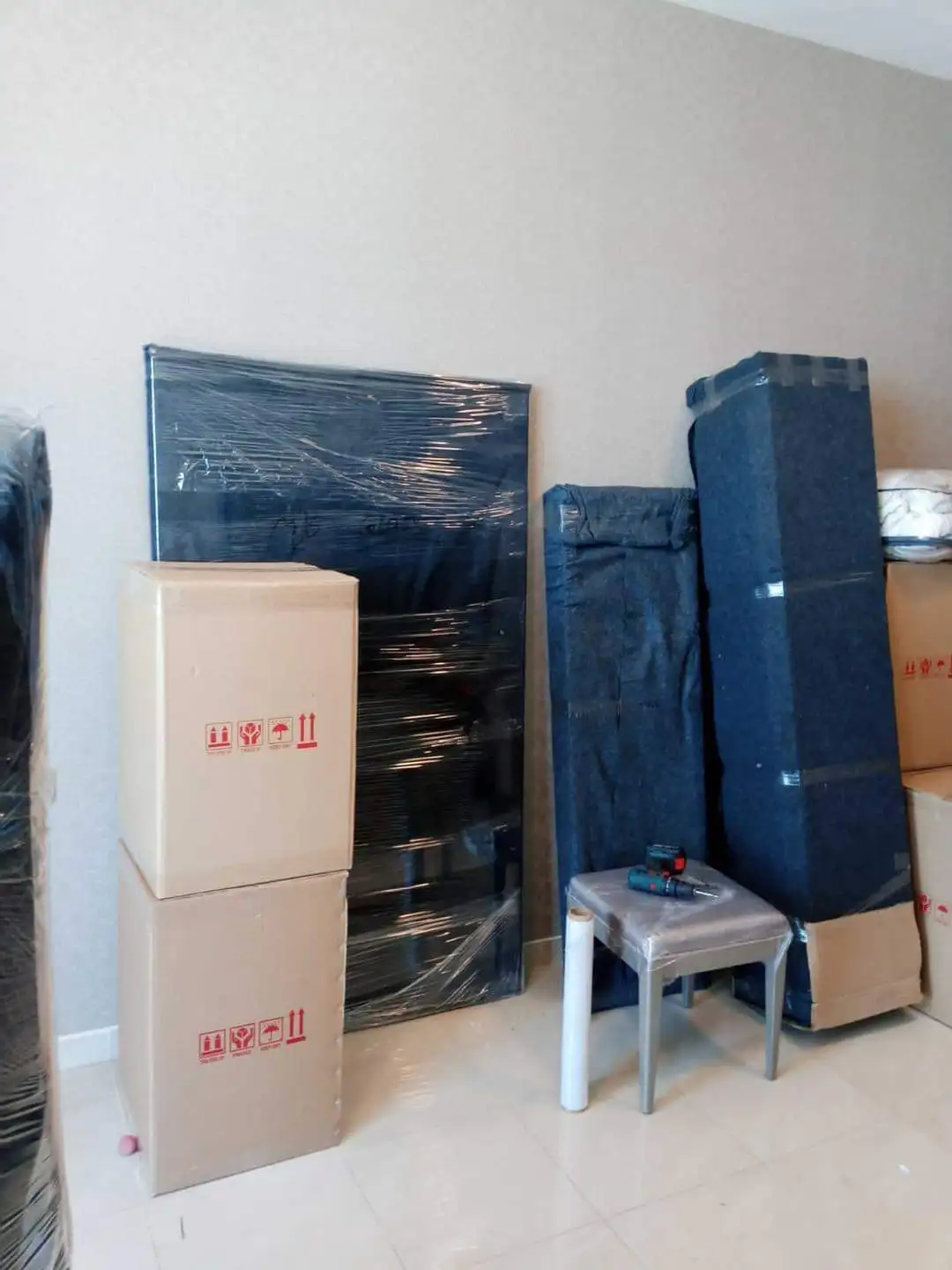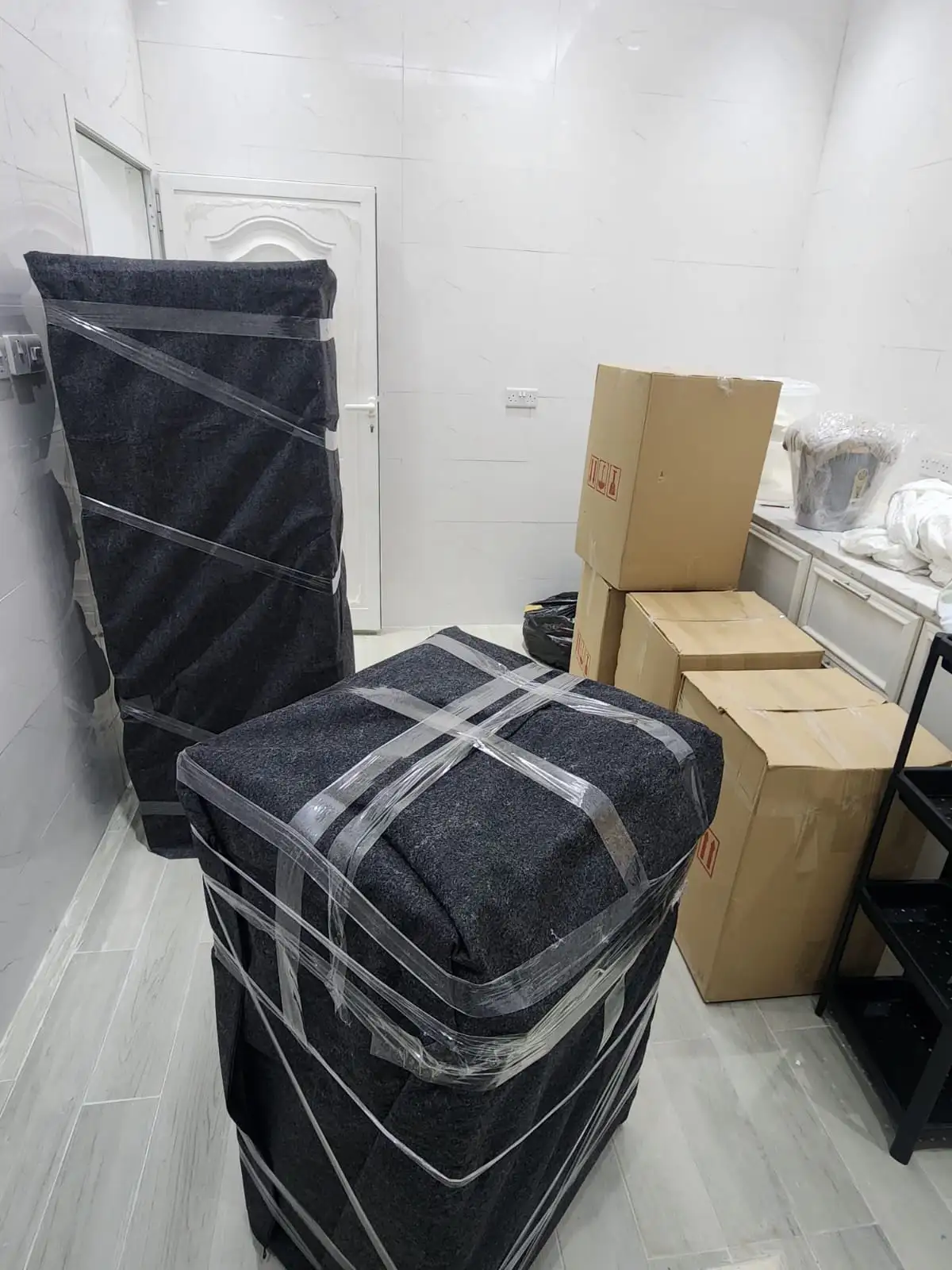
So you've taken the Doha offer. The Pearl apartment is signed, the school place is sorted, and now you need to know what it actually costs to land your Dubai life in Qatar without three weeks of camp-bed living. Most of the quotes you'll see online were written by someone who's never actually crossed the Salwa border.
We've moved 23 families along the Dubai-Doha corridor in the last twelve months. Some by road, some by sea, two by air for parts of the load. The honest answer to "what does it cost" is: AED 13,500 to AED 28,000 for a 2-bed apartment, and the variance is almost entirely about which route you pick and how flexible you are on timeline.
Road vs Sea vs Air — Pick Your Compromise
Road is the headline option because it sounds cheap and fast. It is. It also requires your truck and driver to transit Saudi Arabia, which means Saudi transit visas, road permits, and a border crossing at Salwa that has closed for political reasons more times than we can count over the past decade. Right now, the route is open. Six months ago, it wasn't.
Sea via Hamad Port is the slower but politically immune option. Containers leave Jebel Ali, transit the Strait of Hormuz, and clear at Hamad Port in Mesaieed. Total transit: 4–8 days at sea, 2–4 days at port. Slower than road on paper. More reliable in practice.
Air freight is what you book when your Doha start date is non-negotiable. We split-mode about a third of corridor moves — kids' school kits and two suitcases fly, the rest sails.
| Mode | 2-Bed AED Range | Door-to-Door | Hidden Risk |
|---|---|---|---|
| Road via Saudi | 13,500–17,500 | 3–5 days | Salwa closures, transit visa delays |
| Sea via Hamad Port | 17,500–23,000 | 10–14 days | Container scheduling, port queue |
| Air (partial) | +5,500 per pallet | 3–5 days | Volumetric weight surprises |
For a 3-bedroom villa load, add roughly 35% to the 2-bed numbers above.
The Salwa Border Truth Nobody Writes Down
If you go by road, your driver needs a multi-entry Saudi transit visa, a Saudi road permit (called tasreeh), and Qatar import paperwork in his cab before the truck leaves Dubai. Procurement of these takes 7–14 working days minimum. Anyone quoting you "next-week move" by road is either fibbing or planning to delay you at the border.
The crossing itself, when everything is in order, is 4–8 hours at Salwa. The customs officers on the Qatari side run a real inventory check against your declared list. They will open boxes. They will compare your laptop's serial number to your receipt. They will ask about the alcohol in your luggage. Speaking of which: do not put alcohol in your road shipment, ever. Confiscation plus fines plus delay of the whole container. We've watched a family lose three months of Christmas stockpile and AED 4,000 in fines because they thought one sealed bottle would slip through.
What Qatar Actually Imports Duty-Free
Used household goods are exempt from Qatari customs duty if you hold a valid Qatari residence permit (Iqama) on arrival. New furniture in original factory packaging is subject to 5% duty on the declared value. The grey area is "lightly used" or "still has tags." Customs officers default to "new" if it looks new. Strip the plastic, use the chair for a week, and let the wood lose its showroom shine before pack day.
Prohibited items mirror UAE rules plus a stricter take on certain pharmaceuticals. Drone parts, satellite phones, religious materials outside Islamic mainstream, and anything with the word "bone" carved into it (yes, really, applies to decorative pieces) will get pulled at the border. If in doubt, leave it.
Where Your Stuff Actually Lands in Doha
Most corridor moves we run end at one of four destinations: The Pearl-Qatar, Lusail, West Bay, or Al Waab. Each has its own loading dock realities.
The Pearl is the easiest. Tower-by-tower loading docks, service elevator booking through the building app, security check at the island gate that takes 15 minutes per truck. Lusail is the trickiest — the master community is still partly under construction in some districts, and our trucks have ended up routing through three security checkpoints to deliver to a single tower. West Bay is straightforward but has narrow vertical access and tight elevator slots, much like Marina towers in Dubai. Al Waab is mostly villas and gives you full driveway access, no elevator games.
The Three Things to Sort Before Pack Day
- Qatari residence permit + Qatar ID printed. Without these, customs won't release the goods even with a complete inventory. The Iqama is the single most important document on this corridor.
- Doha-side accommodation confirmed. Customs may ask for proof of residence at arrival. A signed lease or a hotel booking under your name covers it, but lacking either has held containers at Hamad Port for 5+ days.
- Banking sorted in Doha. Settling the Qatari-side delivery often requires QAR or a card with sufficient limit. Get a Qatari account or top up your UAE card before the move week — port fees alone can run QAR 2,500–4,500.
What SAMA Quotes Cover
Our corridor quote covers the Dubai-side packing, container loading, Jebel Ali drop or road dispatch, and freight to Doha. Qatar-side clearance and delivery is handled by our local agent and quoted as a separate line so you can see both halves cleanly. We don't mark up the partner — what they charge us, you pay direct.
If you're also shipping a car, our RoRo and container car shipping guide covers the parallel process; many families combine both into one freight booking for a discount of about 8–12%. For the Dubai exit-week logistics on the source side, our villa movers or apartment movers crews handle the pack-out and supply our trade licence, truck plates and crew details for the building exit NOC — which you or your agent apply for.
If you're leaving from a Marina, Downtown, or Business Bay tower, brief your driver on the truck-route from your building to the road export route at Hatta — narrow service-elevator slots and loading-bay times tend to be the binding constraint.
Ready to nail down the actual cost? Send room photos through the estimate form and we'll quote both road and sea variants in one reply, so you can compare honestly before you commit.
The One Thing We'd Do Differently
If we were moving our own family Dubai-to-Doha tomorrow, we'd book sea via Hamad Port, ship the kitchen and seasonal clothes by air on the same day the container loads, and rent furnished short-term in Doha for the 10-day overlap. That combo costs about AED 21,000 for a 2-bed and produces near-zero stress. Pure road saves about AED 4,500 but adds a 30% chance of a week-long border surprise. Not worth it on a job move with a hard start date.
Frequently Asked Questions
Can I drive my household goods from Dubai to Doha?
A mover's truck can, with a multi-entry Saudi transit visa for the driver, a Saudi road permit (tasreeh), and complete Qatari import paperwork in advance. The Salwa border crossing typically takes 4–8 hours when paperwork is in order. Procurement of the visas and permits adds 7–14 working days to the timeline. Personal vehicles can also transit Saudi but require their own permits.
Is sea or road cheaper from Dubai to Doha?
Road is cheaper on paper — about AED 13,500–17,500 for a 2-bed apartment versus AED 17,500–23,000 by sea. The road premium for transit visas and Saudi border risk often eats the gap. Sea via Hamad Port is slower (10–14 days door-to-door versus 3–5) but more politically stable and less prone to border delays. Most corridor families pick sea for the predictability.
What's prohibited in Qatari household imports?
Alcohol of any kind, even sealed and small quantities, is the biggest single risk — confiscation plus fines and container delays follow. Drone equipment, satellite phones, certain pharmaceuticals, religious material outside Islamic mainstream, and decorative items containing bone are routinely flagged. Anything restricted in the UAE is also restricted in Qatar, with the rule of thumb being slightly stricter enforcement.
When should I book a Dubai-to-Doha mover?
For a road move, 4–6 weeks ahead minimum to allow time for Saudi transit visas and Qatari import paperwork. For a sea move, 2–3 weeks ahead. During peak job-relocation windows (June–August and January) book 6+ weeks ahead because both container slots and partner agent capacity tighten. Same-week corridor bookings are essentially impossible due to documentation lead times.